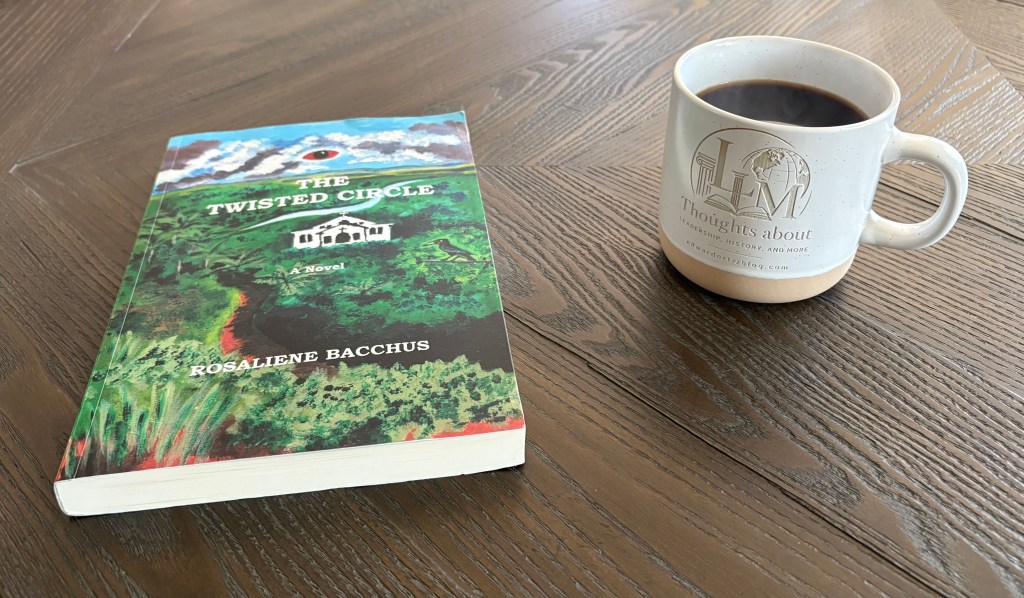
I have been rereading How to Read a Book: A Classic Guide to Intelligent Reading by Adler and Van Doren. This week, I read the chapter on suggestions for reading stories, plays, and poems. While reading the section titled How to Read Stories, the authors discussed the frustration readers sometimes experience when they feel overwhelmed trying to remember characters. Some even give up on a book because they don’t want to keep track of its characters and their relationships.
The authors then offered the following advice:
“It does not always occur to such fainthearted readers that exactly the same thing happens to them when they move to a new town or part of a town, when they go to a new school or job, or even when they arrive at a party… We may not remember the names of everyone we met at a party, but we will recall the name of the man we talked to for an hour, or the girl with whom we made a date for the next evening, or the mother whose child goes to the same school as ours… However, by the time we have finished War and Peace or any big novel, we know who is important, and we do not forget.” (p. 219)
The novel I’m about to review is not as long as War and Peace, but the same principle applies. There is a character named Barbara who will stay with me for as long as my mind allows. She will join Hazel, Jade, Jane, Katie, and Eric among those memorable characters who have made a lasting impression on me.
The Twisted Circle by Rosaliene Bacchus tells the story of Sister Barbara Lovell, a Guyanese nun who joins a convent in the village of Santa Cruz, where she also serves the community as a schoolteacher and acting principal.
Rosaliene does a wonderful job of narrating the story through three perspectives: the inner lives of the sisters as they live in community and interact with local priests; the heinous events surrounding the abuse of children; and, in the background, a country trying to move forward as a republic after centuries of colonialism.
Sister Barbara is the main character, and through her, we learn about the horrible things that happen when religious vows and high moral standards are established but not upheld as they should be. The novel also explores the dynamics of a republic as it tries to find its footing, with corruption and retribution serving as stumbling blocks to progress.
Barbara is a strong woman struggling to maintain her faith and honor her vows as she grapples with the memories of a recent sexual assault by one of the priests, which led her to move to Santa Cruz. Even in this new place, Barbara is not safe, as a government official begins to sexually harass and assault her.
Through Barbara’s eyes, we see the hypocrisy within the Church, where nuns fall in love with priests, priests struggle to control their attraction to other men, and others indulge in their perverse passions for children. All the while, members of the religious community protect their own, concealing these realities and obstructing justice.
Barbara tries to help a boy named Raven, who is struggling after being abused by a priest. For a school end-of-term project, Raven paints twisted circles with a large, elliptical red eye staring out from a stormy blue and purple sky. The painting also includes dark areas across the forest, where “God’s light did not penetrate” (p. 67).
I really like how Rosaliene integrates flashbacks throughout the story, allowing us to discover the backstories of Barbara and Frances, an American nun who serves as Barbara’s nemesis throughout the novel.
Rosaliene also incorporates epistolary techniques, presenting Frances’s journal entries throughout the novel. These entries are illuminating and particularly well done.
The novel explores the dark side of Catholicism, which, for whatever reason, the institution seems reluctant to address fully and openly. It also shows the lasting effects of colonialism on people, effects that persist for many years after independence is achieved.
I got the sense that, even though Barbara has lost faith in the religious institution, she remains a believer.
I was delighted to find Rosaliene’s novel engaging from the start, with plenty of suspense and tension to keep me guessing until the end.
I highly recommend her novel, and I know I’ll be reading Under the Tamarind Tree next.
About the Author:
Rosaliene Bacchus grew up in Georgetown, Guyana, spent 17 years in Northeast Brazil, and now lives in Los Angeles, California, with her two sons. As a young idealist in the 1970s, the divorced mother and former import-export manager had dedicated seven years to the religious life as a Catholic nun and high school teacher. Her debut novel, Under the Tamarind Tree, was released in 2019.


I love how you interweave the advice from How to Read a Book with Rosaliene’s excellent book. You really have a gift for making reviews meaningful and bringing out the themes, my friend. There are so many layers in the Twisted Circle. Great review, Edward!
LikeLiked by 2 people
Thank you very much, my friend. I agree with you about the layers in the novel. I think this is one of those novels that deserves several readings to identify all the points of friction and have some deep discussions.
LikeLiked by 1 person
Beautiful ❤️ well reviewed
LikeLiked by 2 people
Thank you. 🙏🏼
LikeLike
Thanks for the review, Ed. The corruption within the RCC and the institution’s failure to address it are topics I often discuss at my blog. I also note the irreconcilable difference between Rome’s gospel of salvation via sacramentalism and merit and the New Testament Good News! Gospel of salvation by God’s grace alone, through faith alone, in Jesus Christ alone.
LikeLiked by 2 people
You’re welcome, Tom. You definitely cover a lot of issues on your blog, and there’s a lot of good information there. I’m afraid this isn’t unique to the RCC; Christian and other religious organizations are guilty of this, too. I’m a Protestant, and I follow this issue closely. A lot of evangelical churches are in the same boat. It’s a really big issue, and it’s all about power. Thank you for reading and commenting.
LikeLiked by 3 people
barbara is def resilient and i’m sure the church is doing everything to cover these injustices
LikeLiked by 2 people
She definitely is. I really don’t understand why the church’s moral principles don’t guide its response to all of this, since they should be the standard for addressing these violations. But I know the church doesn’t want to lose its power, control, money, and everything that comes with them. It’s really sad to see where some of these institutions’ priorities lie.
LikeLiked by 1 person
Sounds like a painful book. My former husband’s school friend was abused by a priest and decided to go public as an adult. He suffered so much with attempts on his own life. My former husband thinks the reason he himself was not targeted because his dad was a police officer. Sadly it is rife, perverts joining organisations where they have easy access to children. Only God himself will truly deal with these evil doers.
LikeLiked by 2 people
Thank you, Lana. Yes, some of the events were painful, but I think Rosaliene did a great job of softening them so they don’t get stuck in your head, so to speak. I know, it’s incredible how these individuals are joining organizations to get close to children. It reminds me of the case against the doctor for the U.S. women’s gymnastics team, who pleaded guilty to sexually assaulting girls on the Olympic team. Terrible!
LikeLiked by 2 people
Lana, it was indeed a painful story to write, since I had buried those years in the convent in order to find my way again in the secular world. My best friend at the time (an American poet, now deceased) told me it was a story I had to tell.
LikeLiked by 2 people
I really hope this does not put you off following Jesus. We all need Him – not a religion, but a personal relationship. Only He can heal and transform those who love Him. Peace to you.
LikeLiked by 2 people
Lana, I’m happy to say that my personal relationship with Jesus has remained firm. Peace to you, too ❤
LikeLiked by 1 person
An interesting and timely book, for, sadly, this story broadly speaking keeps repeating here and there. Lives changed forevermore, often in a traumatic way, but also in divine closeness. Your sentence illustrates it well: “Even though Barbara has lost faith in the religious institution, she remains a believer.” Faith in men may sometimes disappear, but faith in God remains. Isn’t this a little bit what we are seeing worldwide these days? A wonderful review of what seems to be a great book! Thank you, Edward, for painting it so appealingly with your words. Much enjoyed! Sending light and blessings your way, always, dear friend! ✨🙏
LikeLiked by 2 people
Thank you so much, Susana. You’re absolutely right about the faithful around the world. I think religious institutions are going beyond what they’re supposed to do and trying to control people instead of building community. I know this isn’t new, but people now have more freedom to learn about what’s happening inside these institutions and push back. That’s happening more often, and people want community. I’m glad that you enjoyed the review, my friend.
LikeLiked by 1 person
This novel sounds so good! Thanks for sharing.
LikeLiked by 2 people
It was, and the pace was excellent. Thank you, Donna.
LikeLiked by 2 people
Everyone is tempted even nuns and priests. It’s just different when they do these mistakes since they’re preaching for good words and deeds, but I’ll always remember that they’re human and only God can judge them, not me. I understand why some people stepped away church coz indeed, there’s hypocrisy in there, but I think not for every religious people.
Wonderful review, Edward!
LikeLiked by 2 people
Thank you very much, Hazel. You’re absolutely right. We’re all human and can give in to temptation. I think the problem is that some people move from temptation to action, and that can be dangerous. But, as you said, God is the only one who can judge.
LikeLiked by 1 person
So true, Hazel.
LikeLiked by 1 person
I really enjoyed reading your review. What stayed with me most was your thought that Barbara may have lost faith in the Church but not in God. I find that distinction so moving. It’s painful when an institution that should offer love, guidance, and protection becomes a source of hurt and injustice. Barbara sounds like the kind of character who makes you think long after you’ve finished the book. You’ve certainly made me curious about The Twisted Circle!
LikeLiked by 2 people
I really appreciate your comment, John. You’re right about how painful it is to see these institutions become sources of hurt and injustice. I think the Word is clear that those who are stumbling blocks to believers will face the consequences of their actions.
LikeLiked by 2 people
I agree with you. Jesus’ words about those who cause others to stumble are a serious warning. Those entrusted with guiding and protecting others have a great responsibility to live by the values they preach. It is painful when they fail, but I believe truth and justice must ultimately prevail. Thank you for sharing your thoughts.
LikeLiked by 2 people
Absolutely, and thank you for your thoughtful comment.
LikeLiked by 2 people
John, I’m so glad that Edward’s review has made you curious. As an ex-nun, I lost my faith in the Catholic Church and years later, while living in Brazil, I left the Church. Since then, my spiritual life has grown stronger and deeper.
LikeLiked by 1 person
this sounds like an engaging read, edward. while the subject matter may be intense, the stories need to be read. even though a novel, the institutional injustices still apply.
when reading a book with a lot of characters, i’ve learned not to give up and continue reading until they all fit together and make sense. the more you read, the more you remember them. some are only included as a literary device, a means to an end, but most become clear as i read on.
LikeLiked by 2 people
I completely agree with you, Beth. It’s a difficult subject, but we need to continue talking about it.
I’m still getting my feet wet with fiction, and it was good to hear the advice to read through the story without worrying too much about the characters. It’s good to realize that, at some point, the important characters will become obvious and everything will make sense in the end.
LikeLiked by 2 people
Edward, perhaps this is a topic I should explore in a future post about the Writer’s Life.
LikeLiked by 1 person
That sounds like a great idea. The insight would be helpful.
LikeLiked by 1 person
The Twisted Circle was the second book I enjoyed by Rosaliene Bacchus. I found the characters very compelling, especially Barbara. I felt at the end I’d visited a bit of the jungle of Guiana.
LikeLiked by 2 people
I like how she writes fiction, so I’m planning to read her first novel at some point next year.
LikeLiked by 2 people
Awesome review Edward… This sounds like a powerful and difficult story, especially through Barbara’s struggles with faith, abuse, and the failures of those who should have protected others.
God Bless you.
LikeLiked by 2 people
Thank you, Willie. She did a great job describing the challenges and explaining how religious leaders and laypeople sometimes overlook the obvious and refuse to do justice. This is something we witnessed every week across all denominations.
LikeLiked by 1 person
Wow, Edward, what a wonderful surprise! And what a truly insightful review that would make Sister Barbara Lovell really proud! I’m so happy that she is now numbered among your memorable fictional characters 😀
LikeLiked by 2 people
You’re so welcome, Rosaliene. You did a phenomenal job portraying Barbara and capturing what she was feeling. I was angry about all the injustices committed against her and the children. I became deeply invested in the story, so I’ll say, well done. Barbara will stay in my mind for a long time.
LikeLiked by 1 person
Thanks very much, Edward. Much appreciated 🙂 I’ll be adding your review to my Author Website with a link to your blog.
LikeLiked by 1 person
You’re welcome, and thank you for letting me know. It was my pleasure.
LikeLiked by 1 person
I forgot to mention that I’m going to add the review to Goodreads and Amazon later on. I just need to cut some of my blog commentary before submitting it.
LikeLiked by 1 person
How very kind of you, Edward! ❤
LikeLiked by 1 person
That sounds like an intense novel! I had lunch last week with some neighbors and learned that the woman I was sitting next to moved to Arizona from Guyana. I look forward to learning more about her life there. She didn’t say much about it except call it “my country.”
LikeLiked by 2 people
It gets intense at times, but I would say that Rosaliene always provides a way out and kind of eases the situation, so the reader doesn’t stay “stuck.” She also did a great job describing the country, and I learned a lot about the people, culture, food, and other things that make them unique.
LikeLiked by 2 people
That would be interesting to learn more about the culture and people.
LikeLiked by 2 people
I really enjoyed that part of the book.
LikeLiked by 1 person
I like learning about other cultures, foods and people through reading.
LikeLiked by 1 person
What an insightful and compelling review, Edward! The breakdown of institutional incentives versus stated principles really hits home.
LikeLiked by 3 people
Thank you, and I’m glad you like the review.
LikeLiked by 2 people
Interesting! I like that you’re reviewing some fiction now too. How are you choosing your novels?
LikeLiked by 4 people
Thank you! I tend to follow my gut after reading about an author and some of their work. It’s not a very sophisticated method, but it’s served me well so far. I’ve only come across a couple of novels that didn’t impress me.
LikeLiked by 2 people
Good to know!
LikeLiked by 1 person
Thank you for the review, Edward. The Twisted Circle sounds like a compelling read. Sharing to help spread the word!
LikeLiked by 3 people
You’re welcome, Liz, and thank you very much. 🙏🏼
LikeLiked by 1 person
You’re welcome, Edward.
LikeLiked by 1 person
Thanks for spreading the word, Liz.
LikeLiked by 2 people
You’re welcome, Rosaliene.
LikeLiked by 2 people
Excellent review! I will definitely be adding this to my TBR!
LikeLiked by 2 people
Thank you very much.
LikeLiked by 1 person
I appreciate your interest. Thanks very much.
LikeLiked by 2 people
Who knew there was a book on “how to read a book” lol…but yeah, that happens to me! Takes a couple of chapters sometimes to get the characters all straight!
LikeLiked by 2 people
Yes, and it’s very good. This is my second time reading it, and it’s incredible how much you learn from it. I think I’m going to read it once a year until I have a good grasp of its content. That chapter was a good reminder, since I’m going to read some challenging novels pretty soon.
LikeLiked by 1 person
A wonderful review, Edward. Thank you for sharing! Rosaliene’s work sounds very compelling. 💝
LikeLiked by 3 people
Thank you, my friend.
LikeLiked by 1 person
Thank you! I’m familiar with Rosaliene (just a bit) from your blog and Dr. Stein’s. Lovely to learn more about her “The Twisted Circle”. 💝
LikeLiked by 2 people
You’re welcome! Her background is super interesting, and we were discussing some of the subjects presented in her books, which piqued my curiosity. I really liked how she developed the characters and the narrative.
LikeLiked by 2 people
Love your review! Adding Rosaliene’s book to my reading list. Thanks, as always! 💝
LikeLiked by 2 people
Thank you, Vicki. I think you’re going to like it.
LikeLiked by 1 person
Appreciate you! 💝
LikeLiked by 1 person
Thanks very much, Vicki. I’m also familiar with you through Dr. Stein’s blog ❤
LikeLiked by 2 people
So lovely to connect! Thank you! ❤️
LikeLiked by 2 people
Thanks very much, Edward ❤
LikeLiked by 1 person
You’re so welcome!
LikeLiked by 1 person
I agree, Edward. An enlightening and engaging story. If one wants to look behind the vail of religious institutions, this book will be worthwhile.
LikeLiked by 3 people
Absolutely! I was pulled in by the story. Interestingly enough, I read the other day about a U.S. deacon who left the church after his son was abused by a priest. The church then excommunicated him for leaving and joining a Protestant church. A lot happens behind institutional walls, for sure.
LikeLiked by 1 person
Thanks very much, Dr. Stein, for championing my novel.
LikeLiked by 2 people
Easy to do, Rosaliene, because it is worth much attention.
LikeLiked by 2 people
It sounds like a poignant and engaging book. It’s nice to learn more about the woman behind the blog. Kudos Edward and Rosaliene.
LikeLiked by 3 people
Thank you, Brad. It was a great, engaging read, which is a good thing. Sometimes novels go a little too far with the level of detail and tend to get boring. I didn’t find that with this novel.
LikeLiked by 1 person
Thanks very much, Brad.
LikeLiked by 2 people
Ed, an excellent review. What particularly interests me is the distinction between an institution’s declared principles and the incentives that ultimately govern its behavior. Sister Barbara’s apparent loss of confidence in the institution, without necessarily losing her faith, suggests something considerably larger than a religious dilemma. Institutions can become so invested in preserving their authority that the very principles intended to legitimize that authority become secondary. Your observations about the parallels between religious hierarchy and postcolonial government make this especially compelling. Well done, my friend.
Joe Cozart, GMJoe™, GMJoe™ Consulting
——— GMJoe™ ——— https://www.amazon.com/author/joecozart
Joe Cozart GMJoe™ Consulting Clarity. Strategy. Sovereignty. Author, Consultant, Writer The Olive Ann Hotel Lobby Grand Forks, ND 58201 Mobile: (701) 885-2684 Email: joe@gmjoe.org
Website: https//:GMJoe.org
Information is common and inference is scarce ~ Joe Cozart is an author and consultant whose work explores power, systems, culture, and upstream institutional change.
>
LikeLiked by 3 people
Thank you very much, Joe. Your comment on institutions is spot-on, and I know you write extensively about institutional environments. The whole dynamic is just interesting.
LikeLiked by 1 person
Joe, I agree with you about the Church being more invested in preserving their authority. Therein lies their power to control the lives of the faithful flock.
LikeLiked by 1 person